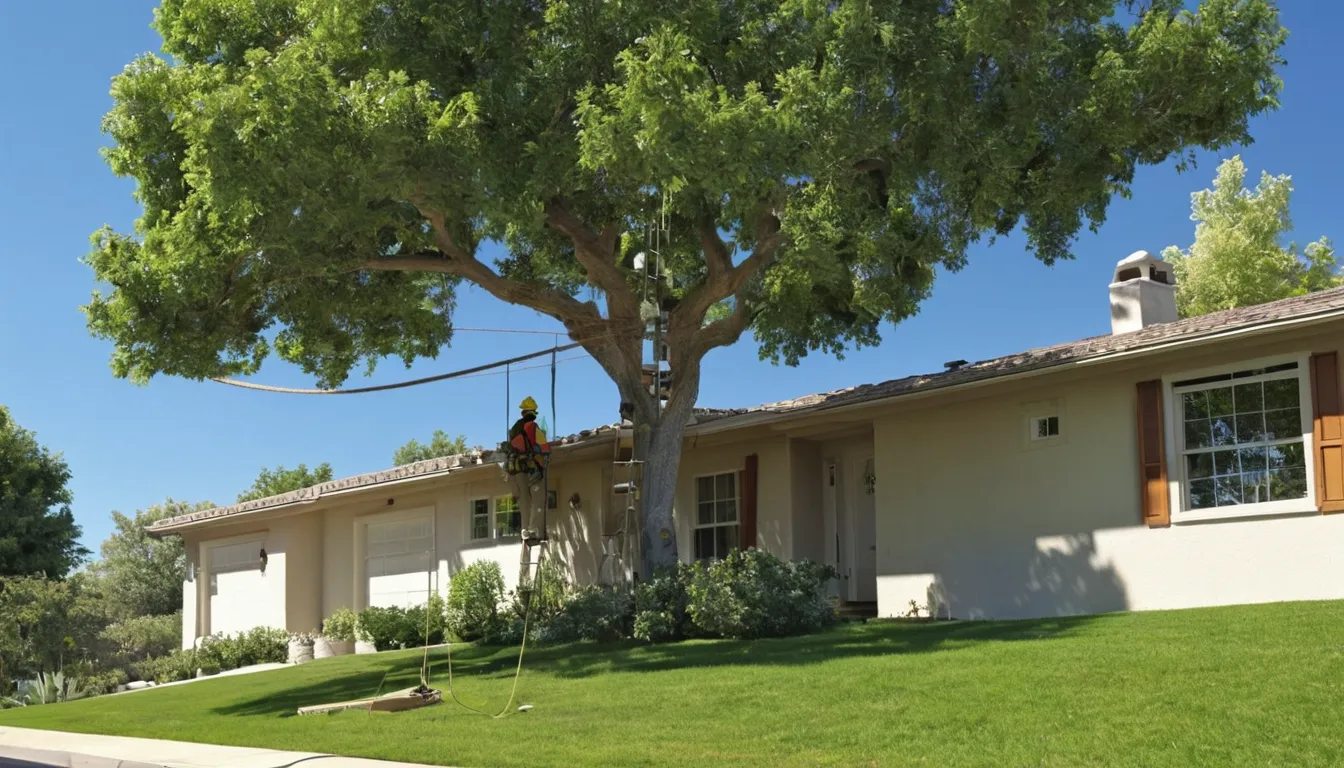
If a tree on your property is dying, leaning, or too close to your home, the safest move is to stay clear and talk to a professional. Flearlylearning Tree Service is a referral service. We do not cut, climb, or haul. Independent providers in our network do that work.
Our job is to shorten the path from worry to a real conversation. You describe the tree, and a local provider can talk through the job, the access, and the next steps. Small problem first: a tree that is still standing is easier to plan around than one that has already fallen on a roof, fence, or driveway.
Thinking About Removing a Tree? Start Here
Start with one question: is anyone or anything in danger right now? If a tree is cracked, leaning hard, or touching a power line, stay clear. Keep people and pets away from the area.
Do not climb it. Do not try to cut it yourself. Request a callback to check provider availability.
Signs a Tree May Need to Come Down
Some warning signs are easy to spot from the ground. Look for these:
- A new lean, or soil heaving at the base
- Large dead branches in a green canopy
- Fungus or soft, hollow wood at the trunk
- Deep cracks or split limbs
- Roots lifting a slab, walkway, or pipe
One sign may mean a trimming job. Several signs together point toward removal. A provider can look at the tree and tell you which it is.
Why Homeowners Remove Trees
Most removals come from safety, not looks. Dead or diseased trees drop limbs. Storm-weakened trees can fail in the next wind or winter rain event.
Other reasons are practical. Roots can crack a slab or push into older plumbing. A big tree may crowd a roofline on a 1950s bungalow or a tract-home ranch. Dry seasons can leave trees stressed, and stressed trees often decline fast.
Dry Seasons, Smoke, and Fire Safety
Long dry spells dry out dead wood. Dead trees near a house add to fire risk. Removing them is part of keeping your yard safer through smoke and wildfire season.
Do not leave dead trees and brush piled against stucco walls or fences. Ask a provider about clearing dead material near the house.
How Tree Removal Works
The process is simple when it is planned well. A provider looks at the tree, the space around it, and what sits below it. Then they choose a method.
In open yards, a tree may be felled in one direction. Near a house, fence, or wires, crews often take it down in sections. Pieces are lowered with ropes, or lifted out by crane when access is tight.
Do and Do Not Before You Book
Do:
- Take photos of the tree from a few angles
- Note how close it is to the house, wires, and neighbors
- Ask for a written quote that lists what is included
Do not:
- Hire anyone who asks for full payment up front
- Let a stranger climb without proof of insurance
- Stand under a tree being worked on
What Affects the Price
Price depends on size, access, and risk. A tall tree beside a house costs more than a short one in an open yard. Dead or unstable trees can add effort and cost.
Haul-away and stump work are often priced separately. Ask which items are in the quote. Costs vary a lot, so get a written quote before work starts.
Permits and Local Rules
Some cities protect certain trees by size or type. Others require a permit for removal, especially for mature or native trees. Rules also differ for trees in the street strip or on shared property lines.
Do not assume you are exempt. Ask the provider what applies in your area, and check with your city or HOA before work starts.
Choosing a Tree Removal Provider
Safe before speedy. A quick start is good, but only from a provider you can check. Ask about these points:
- Proof of liability insurance and workers' compensation
- A written quote with the scope spelled out
- How they protect your roof, lawn, and fence
- Whether cleanup and haul-away are included
A careful provider will answer plainly and will not rush you.
Getting Ready for Removal Day
Move cars out of the driveway and off the street if needed. Clear patio furniture, toys, and planters from the work zone. Tell neighbors when work will happen.
Keep children and pets indoors. Stay out of the drop zone, even if the work looks routine.
After the Tree Comes Down
Check what you want done with the wood. Some homeowners keep logs for firewood. Others ask for chips to use as mulch.
Talk about the stump before the crew leaves. Stump work is a separate step. If sudden damage happened, some policies may cover it, so check your policy. Providers can often help document damage for a claim.
Keep the Next Tree Healthy
Prevention saves the next headache. Have remaining trees looked at once a year. Prune dead limbs, water young trees in dry seasons, and avoid piling soil against trunks.
If you plant a replacement, pick a spot away from the house, slab, and wires.
Ready to Talk It Through?
You do not need to know the exact tree type or the right method. Describe what you see, and a provider can explain the options.
Stay clear, then call. Or send a request and compare your options at your own pace.
What's Included
Tree Felling Service
Providers fell trees in open yards or lower them in sections where a house, fence, or wires are close.
Section Removal
Tight spaces call for careful cutting, with ropes or a crane to guide each piece down safely.
Cleanup and Haul-Away
Many providers clear branches and logs when work ends. Ask whether it is in the written quote.
Site Assessment
A provider looks at lean, health, access, and nearby structures to plan the safest approach.
Typical Tree Removal Costs
Prices vary by tree size, access, and condition. These are typical U.S. ranges, not quotes. Ask each provider for a written quote that lists exactly what is included before you agree to any work.
| Item | Typical range | Notes |
|---|---|---|
| Small tree (under 30 ft) | $150 – $500 | Open access, simple cleanup |
| Medium tree (30–60 ft) | $400 – $1,200 | Depends on trunk size and access |
| Large tree (60 ft or more) | $1,000 – $3,000 | May need sectional work or crane |
| Tree near house or wires | $800 – $3,500 | Extra rigging and care required |
| Dead or storm-damaged tree | $500 – $3,000 | Higher risk can raise the price |
| Haul-away and cleanup | $100 – $500 | Sometimes included, sometimes extra |
How It Works
Describe the Tree
Share the tree's size, location, and any warning signs so a provider understands the job.
Connect With a Provider
Request a callback to check provider availability, or send a request through the form.
Review the Written Quote
Compare scope, cleanup, and insurance details before you agree to anything.
Schedule the Work
Pick a time with the provider, clear the work zone, and keep everyone back.
Why Call Flearlylearning Tree Service
Less Searching
Skip long listings. Reach an independent local provider and describe your tree in one conversation.
Safety First
Plain do and do not advice helps you avoid risky choices before work starts.
Local Providers
Providers in our network know area trees, dry seasons, and the homes common nearby.
No Obligation
Request an estimate, compare your options, and decide when you are ready.
Other Services
Need tree removal in San Clemente?
- Reach independent local tree providers
- Removal, stump grinding and storm work
- Written quotes before any work starts
- Request an estimate
Tree Removal FAQ
How do I know if a tree needs to be removed?
Warning signs include a sudden lean, large dead limbs, fungus at the base, deep cracks, or roots lifting a slab. Several signs together often mean removal. A local provider can inspect the tree and explain your options.
How much does tree removal cost?
Typical U.S. prices run from a few hundred dollars for a small tree to several thousand for a large one near a house. Access and risk matter. Always get a written quote.
Do I need a permit to remove a tree?
It depends on where you live. Some cities protect trees by size, type, or location, and some HOAs add rules. Ask the provider and check with your city before any cutting begins.
Request a callback
Have a leaning, damaged or unwanted tree? Reach out to Flearlylearning Tree Service and we will connect you with an independent provider in our network.
No obligation